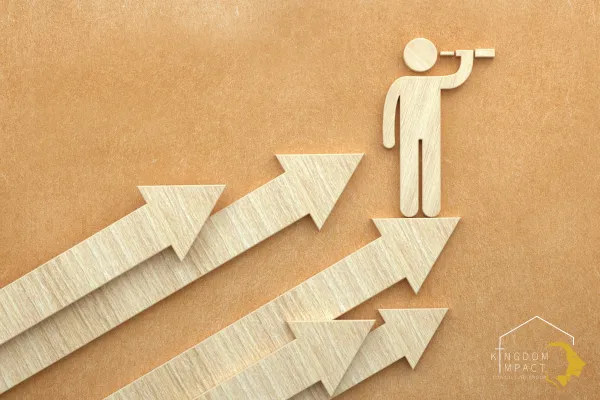
The Leadership Shift Every Growing Business Must Make
Growth is exciting, but it changes everything. Processes that worked when a business was small often fail as it expands. Communication breaks down, decisions slow, teams struggle, and leaders feel overwhelmed. Many businesses stall at this stage—not because of competition or lack of demand—but because leadership hasn’t evolved to meet the company’s new needs.
Early-stage leaders are builders. They handle tasks personally, solve problems themselves, and stay deeply involved in operations. This hands-on approach works when the business is small. But scaling requires a shift in leadership style—from doing to leading.
Why Leaders Must Shift
As the business grows, the demands on a leader change:
The business becomes more complex, requiring long-term planning rather than daily firefighting.
Teams become larger and more diverse, requiring clear roles, accountability, and communication.
The leader becomes the bottleneck if they continue to handle everything personally.
Without this shift, leaders burn out, teams become frustrated, and growth slows. Elite leaders recognize that growth demands strategic leadership, not just personal effort.
How to Make the Leadership Shift
Move From Reactive to Proactive – Instead of reacting to daily problems, leaders anticipate issues and plan ahead. They create systems that prevent recurring challenges.
Build Teams That Can Lead – Empower employees to make decisions independently. Provide guidance, not instructions. Delegate responsibility strategically.
Shift From Execution to Strategy – Focus on long-term goals, partnerships, innovation, and growth initiatives. Stop getting bogged down in tasks that others can handle.
Develop Leadership at Every Level – Growth is only sustainable when leadership is distributed. Mentor managers and develop successors who can lead parts of the organization.
This shift is not easy. It requires letting go of control, trusting others, and developing patience. But without it, even a profitable business will eventually plateau.
The Impact of Leadership Evolution
Leaders who successfully make this shift unlock exponential growth. Teams become more confident and capable, projects move faster, and decision-making improves. The business no longer depends solely on one person—the leader. Instead, it runs like a scalable machine guided by vision and strategic oversight.
Conclusion
The leadership shift is inevitable for growing businesses. Early-stage habits must evolve into scalable systems, empowered teams, and strategic thinking. Leaders who embrace this evolution do more than manage growth—they accelerate it, sustain it, and create a foundation for long-term success.


